
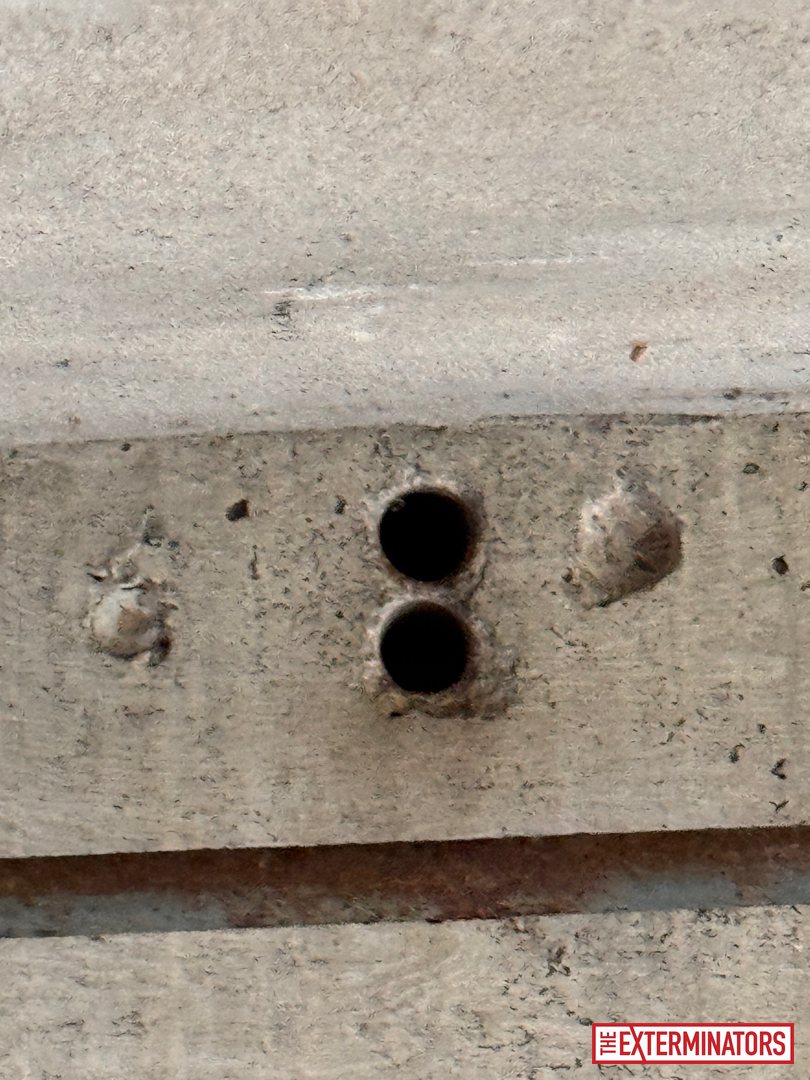
Job Overview
Location: Vaughan, Ontario
Structure: Detached modernist multi-storey house with double garage
Problem: Reported mouse activity in the living space and attic; possible wildlife activity noted by occupant
Service: Mouse treatment
Visits: 4
Summary
We were contacted to address recurring mouse activity at a detached, modern-style residential property used intermittently as a short-term rental. Over multiple service periods spanning several years, our team conducted inspections and performed mouse treatments focused on activity control. While exclusion work was identified as necessary, the customer elected treatment-only service during the initial visits. A final follow-up visit confirmed no interior activity at the time of inspection.
Background / Property Context
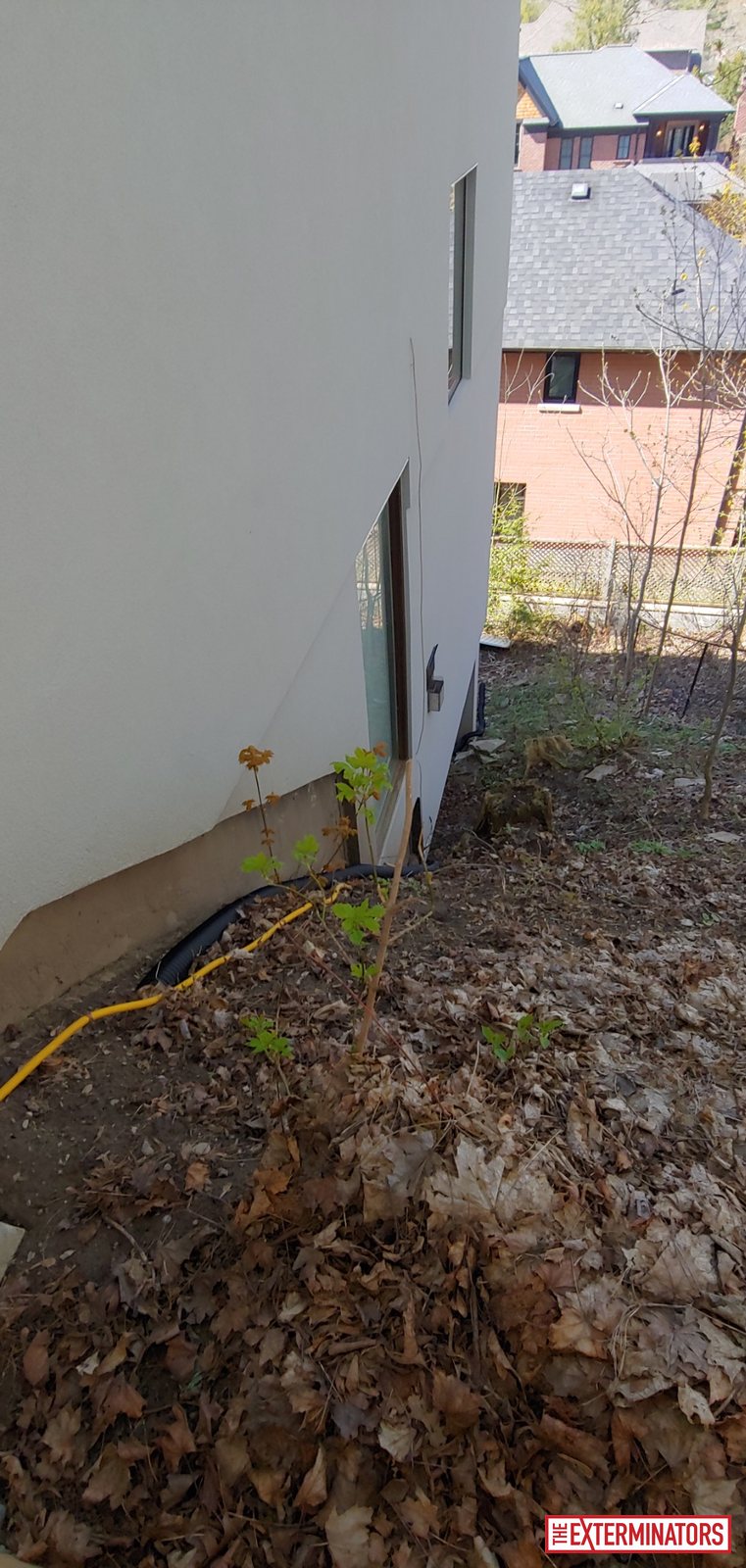
The property is a multi-storey detached home with a walkout-style lower level, exterior decks, and multiple foundation transitions. The home is not continuously occupied and may remain vacant for extended periods, which can allow rodent activity to go unnoticed and increase the likelihood of reinfestation.
Customer Concern
The customer reported signs consistent with mice inside the home and attic space. During the initial contact, there was also concern about possible squirrel activity in the attic, prompting a thorough inspection of both interior and exterior areas.
Inspection & Findings
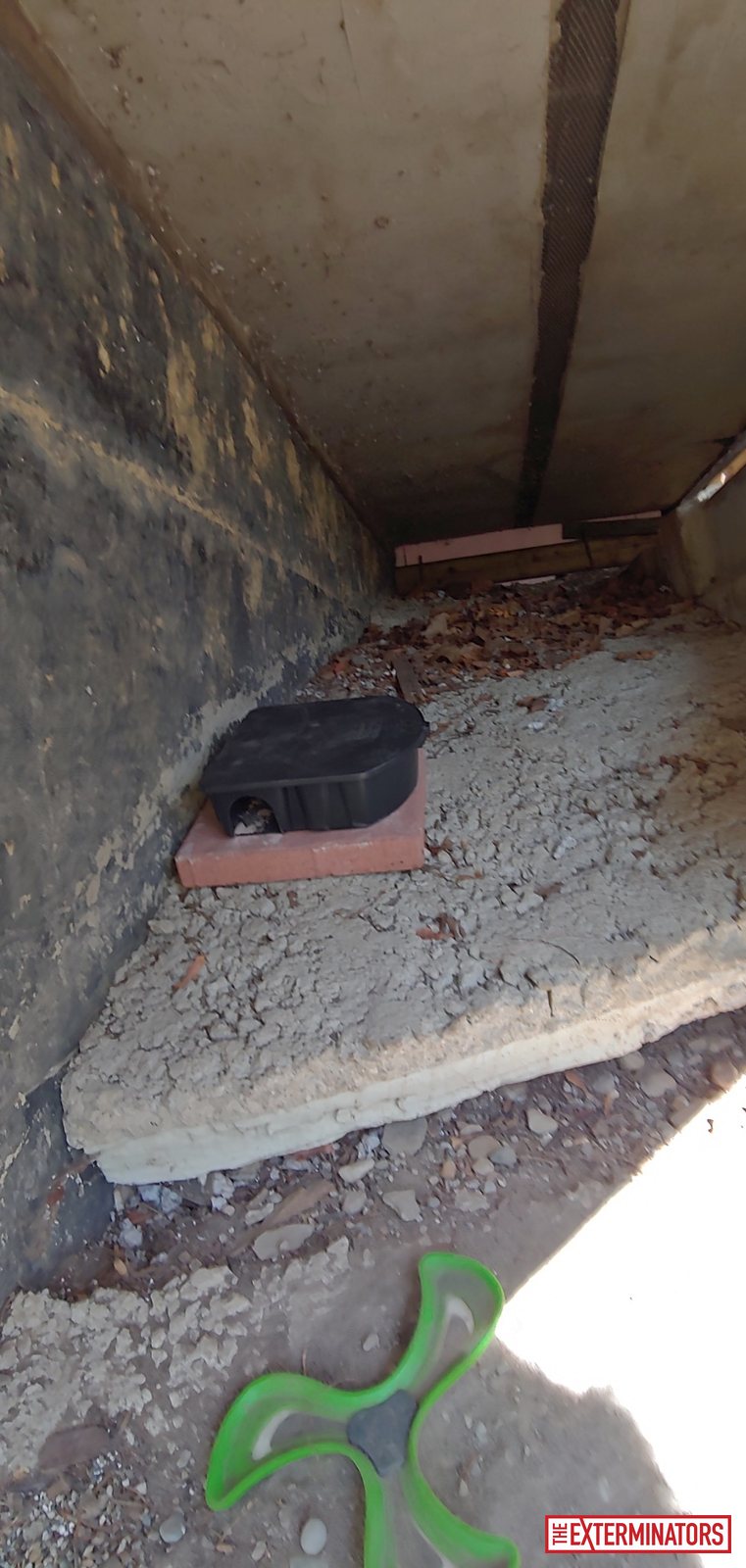
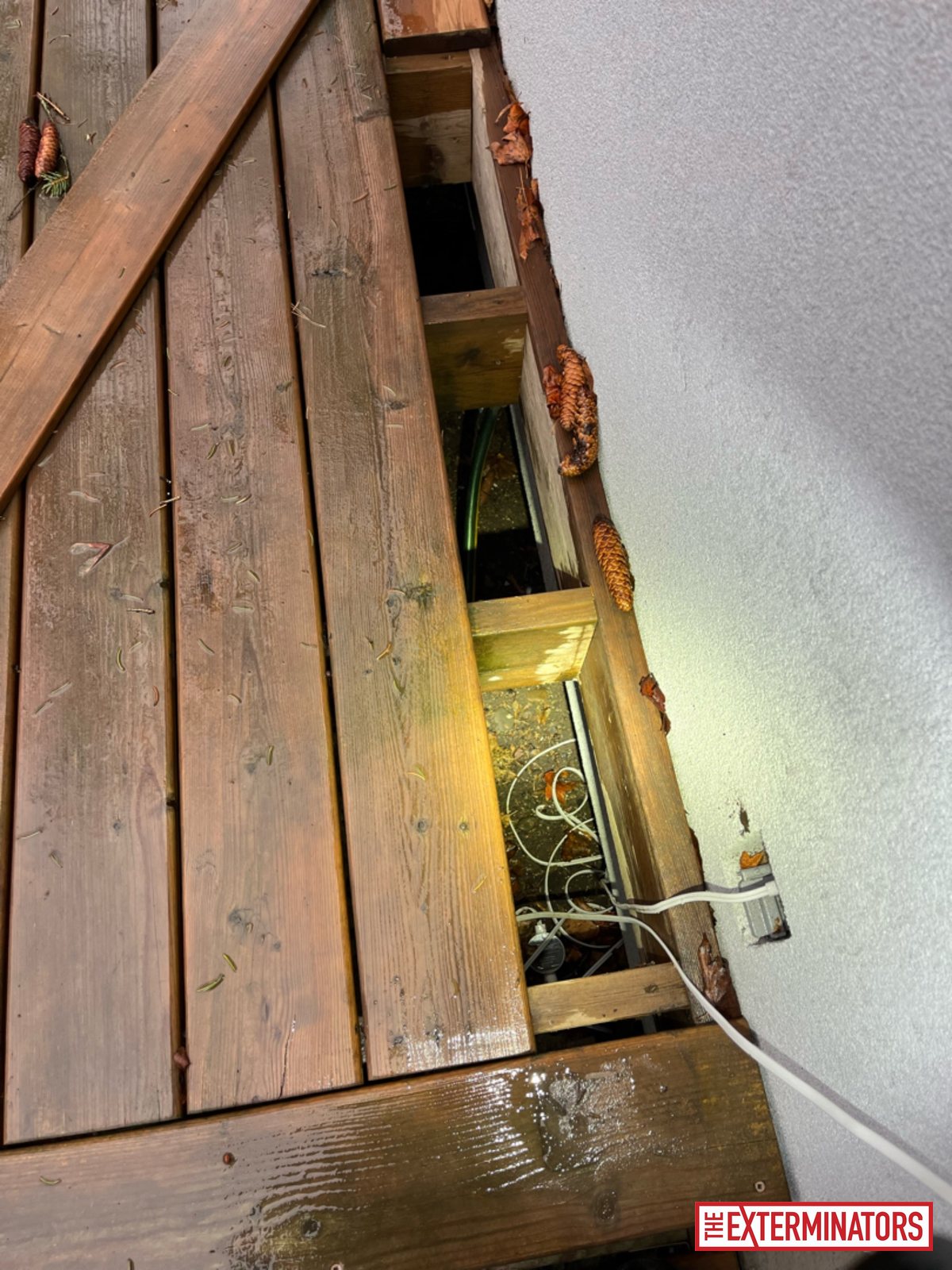
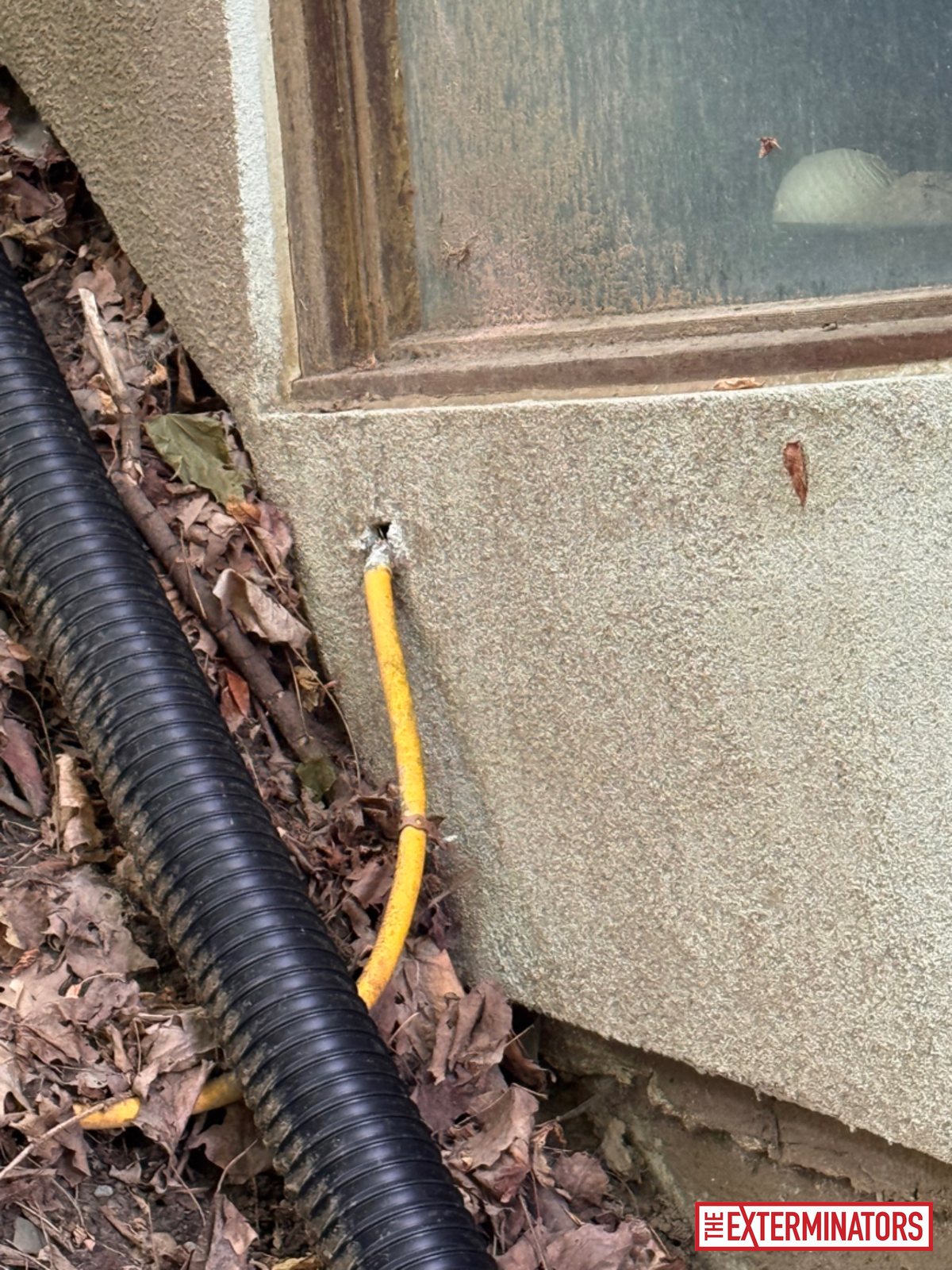
During inspections across multiple visits, our team identified several potential rodent entry points at the foundation and exterior envelope. These included gaps at foundation edges, utility and plumbing penetrations, and open voids beneath deck structures and lower overhangs. Crawlspace areas showed accumulated debris and leaf litter, which can provide shelter and travel routes for rodents.
Interior inspection findings during active periods were consistent with mouse presence. No direct wildlife nesting activity was confirmed during the documented visits.
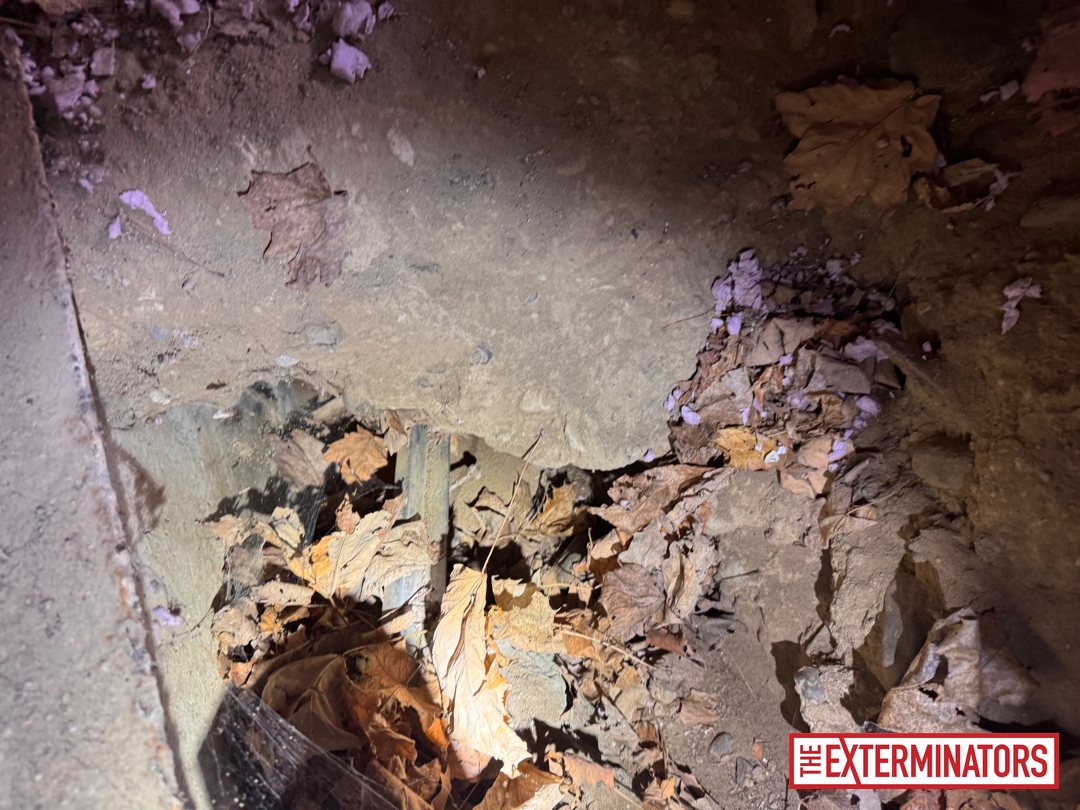
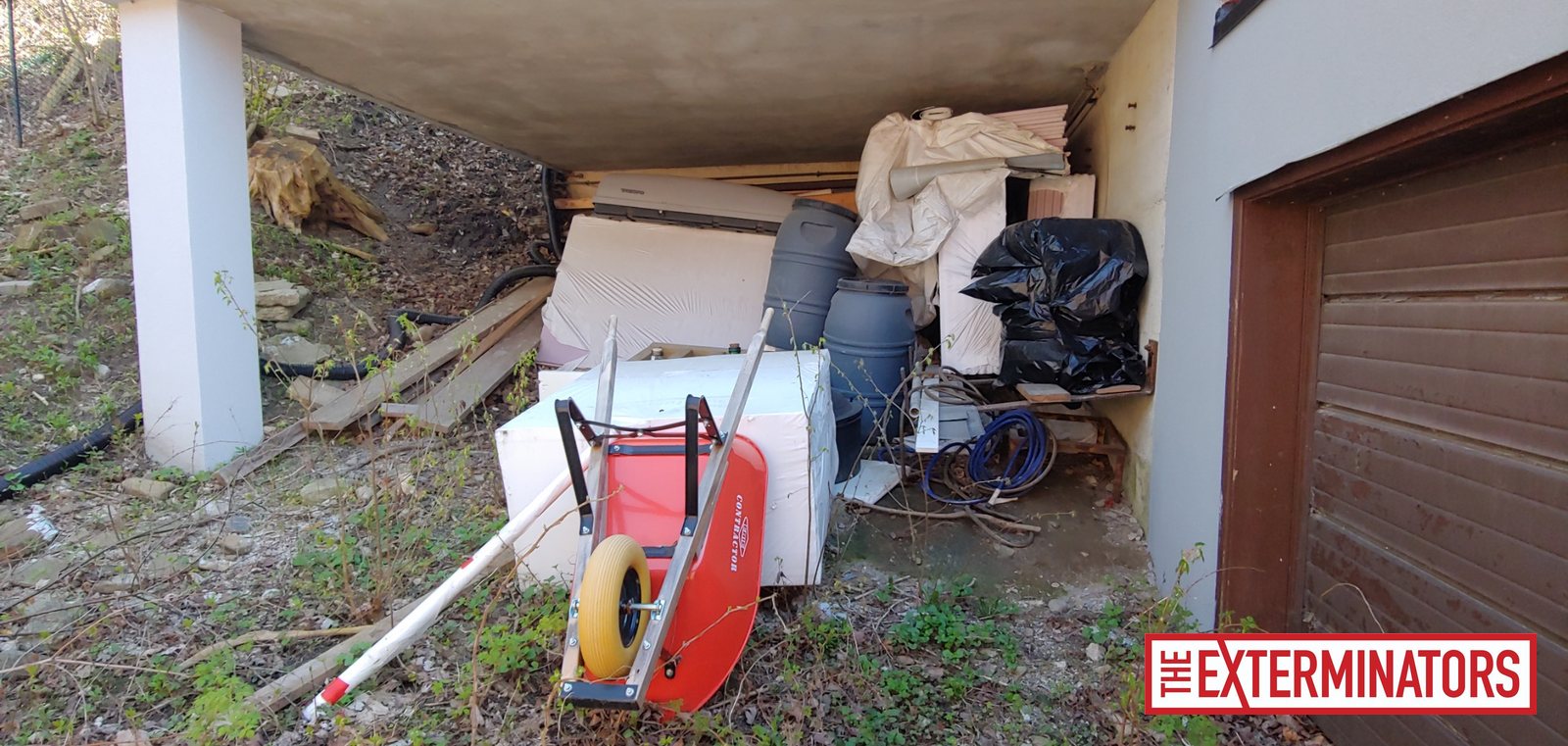
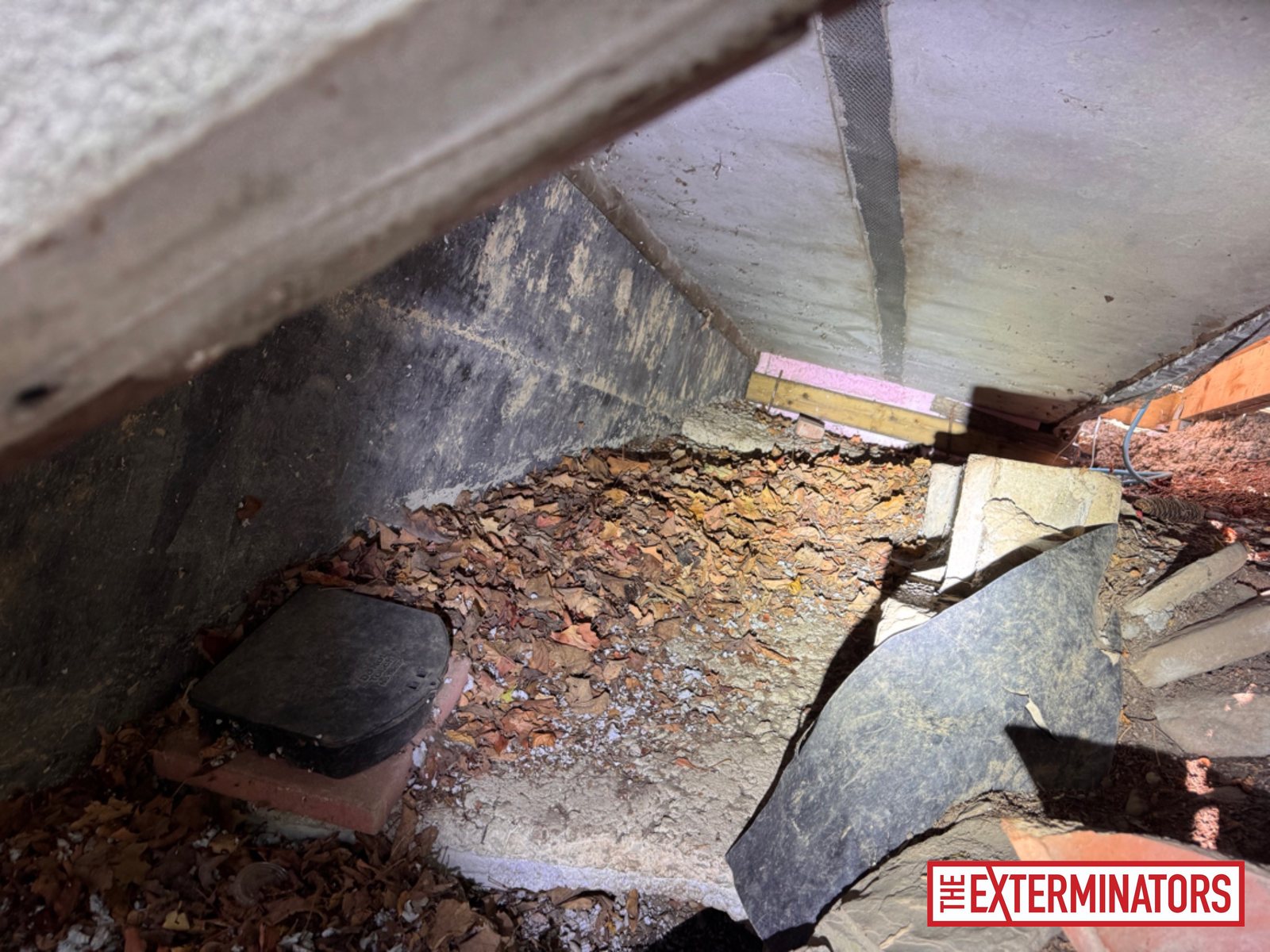
Cause Analysis
The recurring mouse activity was attributed to a combination of building design features and site conditions. Gaps at foundation transitions and service penetrations provided accessible entry points. Extended vacancy periods reduced regular human disturbance, allowing mice to establish activity cycles. Without permanent exclusion measures, re-entry remained likely over time.
Treatment / Removal
Mouse control treatments were performed by a licensed exterminator in accordance with Ontario Ministry of the Environment guidelines. Tamper-resistant bait stations were placed in areas of confirmed or suspected activity. Commercial-grade rodenticide was used as per label directions and regulatory requirements to reduce the active mouse population.
Treatments were completed during Visit 1, Visit 2, and Visit 3, with each service addressing current activity levels at the time of inspection.
Exclusion & Repairs
During each service period, exclusion needs were identified and discussed. Entry points at foundation gaps, deck interfaces, and utility penetrations were noted as requiring sealing to prevent re-entry. The customer elected not to proceed with exclusion work during the treatment visits. As a result, no permanent structural sealing was completed as part of this case.
Outcome & Confirmation
At the fourth visit, the customer reported no current interior mouse activity. A follow-up inspection was completed, and previously identified areas were reviewed. No active interior signs were observed at that time, and the customer confirmed satisfaction with the condition of the property during the final check.
Technician Notes
The initial inspection and subsequent services were completed by technician Dylan. Entry points were documented during each visit, and treatment-only service was provided as requested by the customer. Long-term prevention was noted to be dependent on future exclusion should the customer choose to proceed.
This work was completed by our Vaughan pest control team. For pest control inquiries in Vaughan, contact 647-496-5791.